As 2025 wrapped, a lot of big brands learned some hard lessons.
One wrong phrase, a risky visual, or a tone-deaf partner can turn a campaign into a headline. In minutes, social media can flip your message and hurt trust.
Dive into the article and walk through 10 marketing campaigns that backfired in 2025, what people disliked, and what to do differently next time.
Key Takeaways
- McDonald's AI Christmas ad and Nike's "Never Again" showed AI creepiness and historic phrases spark instant outrage online.
- Urban Decay's OnlyFans pick, Sanex's banned skin ad, and Swatch's eye gesture ignored cultural stereotypes and audience safety.
- Cracker Barrel's logo change and Southwest's bag fees broke beloved promises, losing loyal fans' trust overnight.
- Gatorade's slang flop and American Eagle's genes pun proved double meanings and risky wordplay divide crowds quickly.
- e.l.f.'s Matt Rife tie-up reminded everyone: controversial spokespeople drag your values into the spotlight.
- Across all 10, weak pre-launch tests, ignored context, and slow replies turned small slips into viral brand damage.
Why These Campaigns Failed in 2025
 Image: @pixabay via canva.com
In 2025, most marketing failures often start with one small thing that people can screenshot: a line of copy, a pose, a casting choice, or an AI-looking scene. Once it's on social media, people don't see your strategy deck. They see the clip or image and decide what it means in two seconds. If the message feels mean, creepy, or tone-deaf, the backlash becomes the campaign.
A lot of brands also forget that the internet reads messages through culture, not through your brief. And if your brand has a public promise (like a long-running tagline or benefit), changing it can feel like betrayal. That's why these situations get so emotional so fast.
Here are the main blind spots brands keep missing:
- Context gets stripped: Your ad will be shared without explanation, so the meaning must be clear on its own.
- Words have baggage: If a phrase connects to race, violence, history, or identity, it can't be treated as a simple punchline.
- Visuals speak louder than copy: One image can undo a whole message, especially if it suggests stereotypes.
- The spokesperson becomes the story: If the person has a past controversy, people will talk about that first.
- AI needs extra care: If it looks fake or uncanny, viewers focus on that instead of the product.
- Big changes need trust: If you remove a loved perk or brand symbol, explain why, and show what customers get back.
Ready for the real examples? Keep reading for the 10 campaigns that blew up in 2025, what went wrong, and what you can copy (and avoid) next time.
1. McDonald's AI-Generated Christmas Ad
 An AI-enhanced screenshot from McDonald's AI-generated Christmas spot. Watch the full commercial here.
McDonald's Netherlands tried something different for Christmas: a 45-second advert made with generative AI. The theme was holiday chaos, with the line "the most terrible time of the year", and it showed things like Christmas mishaps and stress building up.
The idea was meant to be funny and relatable, like "Christmas can be messy, so pop into McDonald's for a break". But many viewers did not take it that way, and the ad got criticised fast online, including people calling it creepy, inauthentic, and too negative for a season a lot of people love.
How It Backfired and The Takeaway
This ad backfired for two main reasons: the tool (AI) and the tone (cynical Christmas). People didn't just complain about using AI, but they also disliked the concept itself, saying it pushed negative energy and felt like it was mocking the holiday.
After the backlash, McDonald's Netherlands removed the advert and said they understood that for many people Christmas is "the most wonderful time of the year", and that this was "an important learning" as they explore how to use AI effectively.
For marketers and brands, you should:
- Test the tone early: Run quick checks with real people before launch, especially for emotional seasons like Christmas.
- Use AI with clear quality rules: If AI visuals feel uncanny or messy, it will distract from the message.
- Keep the core message simple: If the takeaway sounds like "hide from Christmas", many will push back.
- Protect brand warmth: Even a joke can feel mean if it clashes with what people expect from your brand at that moment.
2. Nike's 'Never Again' Ad
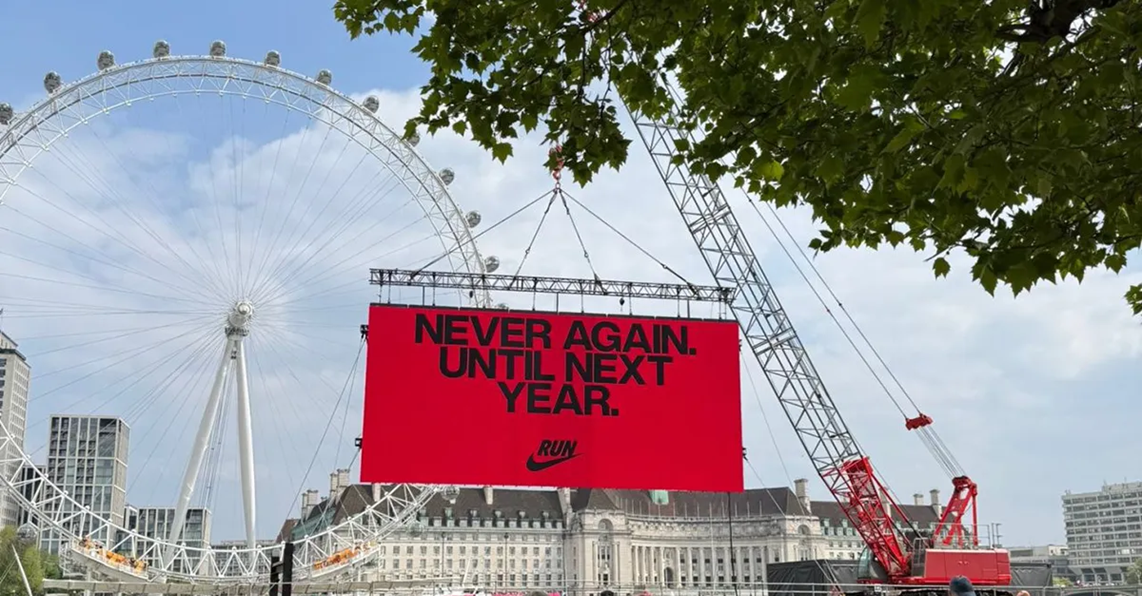 Nike's controversial London Marathon billboard reading "Never again. Until next year." Image credit: socialsamosa.com
Nike ran outdoor ads around the 2025 London Marathon with lines like "Never again, until next year" and "Never again, see you next year". The idea was built around a common runner joke: right after a brutal race, people swear they will never do it again, then they sign up for the next one.
The problem is that "Never again" is strongly linked to Holocaust remembrance. So when people saw a major brand using that phrase to sell a marathon message, it didn't feel like a fun running joke. It felt like a serious line was being used for marketing.
Nike responded by apologising and saying the billboards were meant to inspire runners as part of a wider London Marathon campaign, but that the language should not have been used. Reports also say the billboards were taken down after the backlash.
How It Backfired and The Takeaway
This failure came down to context. Nike's team wrote copy for runners, but the public read it through history and current events, not through marathon humour. When a phrase already has a heavy meaning, the brand does not get to 'borrow' it and hope everyone takes it lightly.
It also shows how outdoor ads work in real life. People see them fast, with zero explanation, and they take screenshots or pictures of it. If the wording can be misunderstood in one second, that misunderstanding becomes the story.
For marketers and brands, you should:
- Do a meaning check: Search phrases for historic and cultural links before they go live.
- Assume the widest audience: Outdoor ads are not just for your target group, so write for everyone who might see it.
- Stress-test short copy: If a line can be read as offensive in five seconds, rewrite it.
- Add a red-flag review step: Make someone on the team ask, 'What is the worst way this could be read?'.
3. Urban Decay's Ari Kytsya Partnership
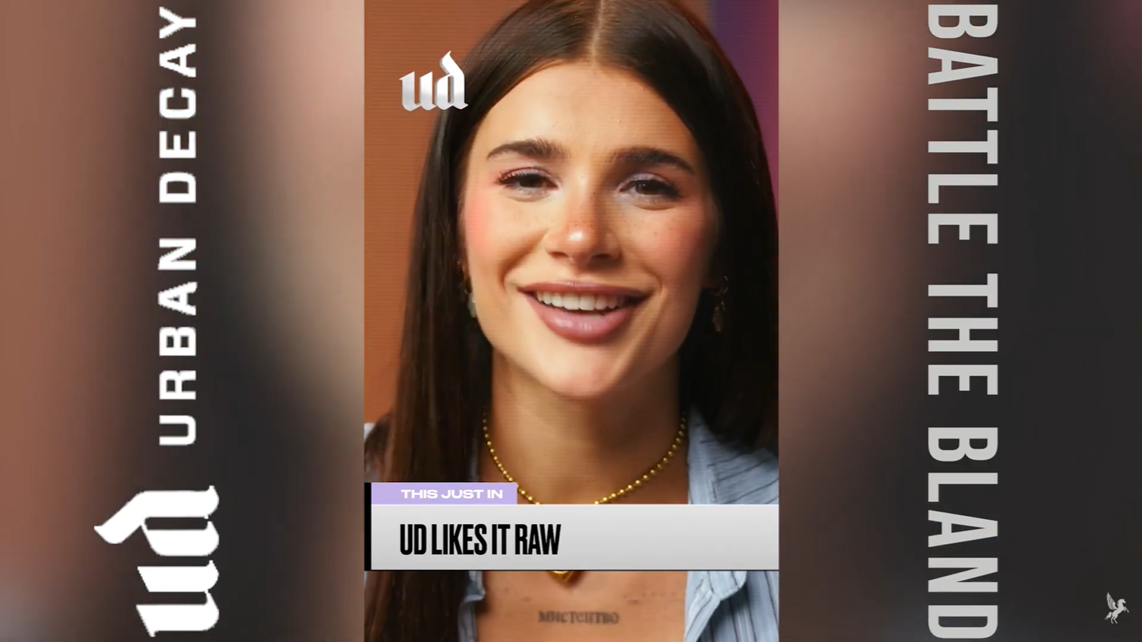 A screenshot from Urban Decay's "Battle the Bland" anti‑bland broadcast, featuring creator Ari Kytsya. Watch the full video here.
Urban Decay put Ari Kytsya front and centre as a brand ambassador, then pushed the content out on social platforms like TikTok as part of an edgy, anti-bland style campaign. The brand leaned into "uncensored" vibes, which fits Urban Decay's long-time 'bold makeup' image, and it clearly wanted people to talk about it.
The issue was not just that she is a creator. It was where a big part of her fame comes from. Ari Kytsya is also known for explicit content on OnlyFans, and that detail became the headline almost everywhere. Campaigners warned that putting an OnlyFans creator into a high-street makeup campaign could make the platform feel more "normal" and more tempting to younger girls.
The backlash got sharper because Urban Decay is owned by L'Oréal, and critics pointed to L'Oréal's own influencer rules (its "Value Charter") which they said bans partnerships with influencers who have produced pornography.
How It Backfired and The Takeaway
This is a classic brand safety problem. The campaign may have been planned as edgy makeup, but the public conversation quickly turned into "Is this responsible marketing?" and "Who is this influencing?" Once the story becomes values-based, it's hard for a brand to steer it back to product benefits like shade range, wear time, or price.
This also explains how one partnership can trigger two different reactions at the same time. Some people will say it is a bold choice, while others might disagree. When the audience is mixed (and when teens are part of the wider customer base), brands have to plan for the strictest interpretation, not the most flattering one.
For marketers and brands, you should:
- Match influencer and audience: If younger buyers are watching, avoid partnerships that create adult-industry headlines.
- Check your own rules first: If you publish brand values and standards, make sure partnerships don't look like a direct conflict.
- Separate shock from strategy: Buzz is not the same as brand growth, especially if it damages long-term comfort with the brand.
- Prepare a clear explanation: If you go controversial, be ready to explain the 'why' fast, in plain words, across every channel.
4. Sanex's Banned Shower Gel Ad
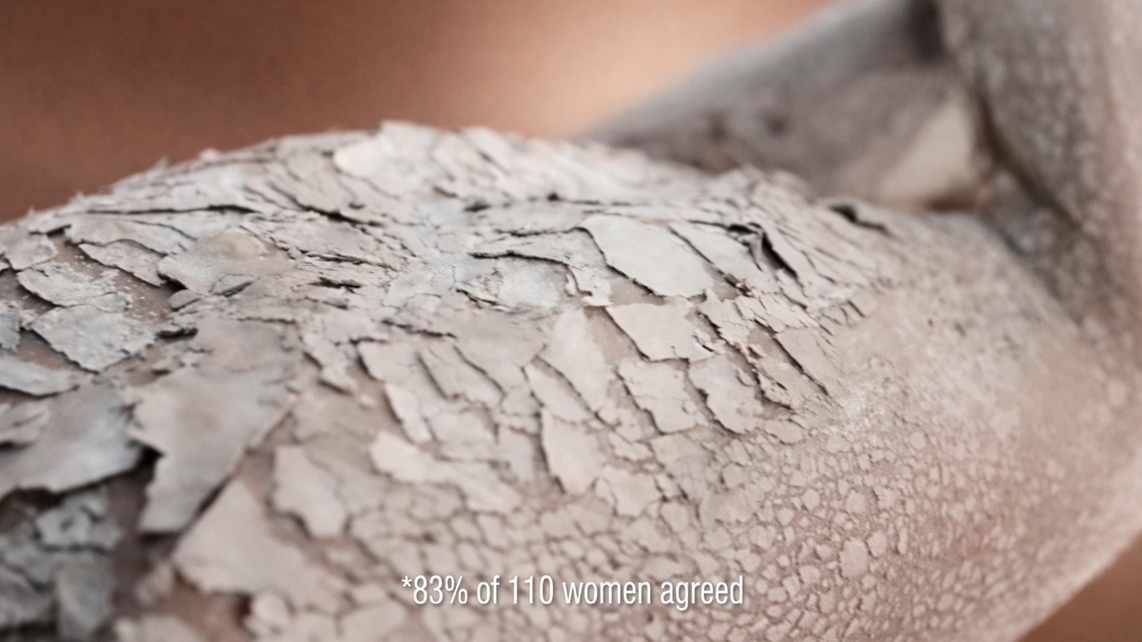 A screenshot from Sanex's banned shower gel ad, using extreme dry, flaky skin imagery. Watch the full commercial here.
Sanex ran a UK TV ad in June 2025 for its shower gel, using a clear "before vs after" story. The "before" scenes showed a Black model with red scratch marks, plus another dark-skinned model whose skin looked cracked, while a voiceover spoke about skin that feels dry and itchy. The "after" scene then switched to a White woman showering with Sanex, ending with the line "Relief could be as simple as a shower."
The contrast between the scenes is what made people stop and look. Viewers complained that the ad was set up so Black skin was linked with discomfort and problem skin, while White skin was shown as smooth and clean after using the product.
The UK Advertising Standards Authority (ASA) agreed with the complaints and banned the ad in its current form. The ASA said the ad could be interpreted as suggesting white skin was superior to black skin and that it reinforced a harmful racial stereotype, even if that was not the brand's intent.
How It Backfired and The Takeaway
This one failed because the creative relied on a visual shortcut. Viewers assume the first person shown is the problem and the second person shown is the solution. When those two roles are split along racial lines, even by accident, people don't see skincare science. They see a message about whose skin is good and whose skin is bad.
Even if the internal goal was inclusivity, the audience judges what's on screen, not the brand's intentions. And when a regulator bans an ad, the story gets bigger and lasts longer, because it becomes a public record of "this crossed the line".
For marketers and brands, you should:
- Run a bias sense-check: Get feedback from a diverse review group before launch, especially for skin, hair, and body topics.
- Watch the order of scenes: The first and last images do the most damage (or good), so choose them carefully.
- Avoid accidental symbolism: If your visuals could be read as "one group is the problem", rewrite the concept.
- Treat compliance as a risk trigger: If there's a chance the ASA (or similar bodies) will step in, fix it early rather than "see what happens".
5. Cracker Barrel's Logo Change
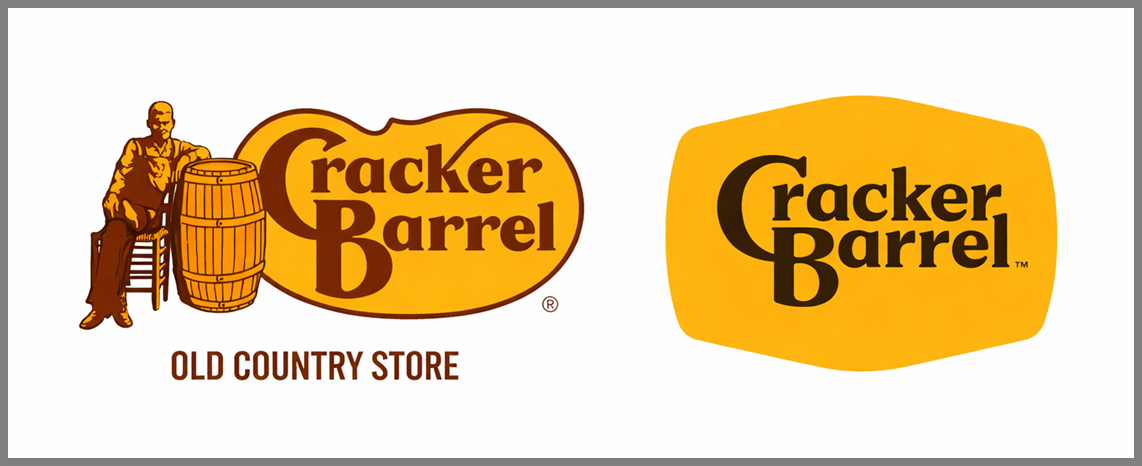 Cracker Barrel's old logo (left) and new logo (right).
Cracker Barrel rolled out a new logo as part of a bigger brand refresh, and the change was obvious straight away. The updated look removed the famous character (the man leaning on the barrel) and left a simpler "Cracker Barrel" wordmark inside a yellow barrel outline, with the "Old Country Store" tagline also removed.
The reaction hit fast on social media. People called the new logo bland, generic, and "soulless", and some customers said it stripped away the warmth they associate with the chain. It also got pulled into US culture-war chatter, which made the story bigger than the logo itself.
Then the company had to manage the mess in public. Within days, it confirmed it would drop the new logo and keep the old "Old Timer" emblem. That quick change of direction made the rollout look rushed, even if the wider refresh plan had been in motion for a while.
How It Backfired and The Takeaway
For many customers, the old logo signals comfort, tradition, and familiarity. When the new version showed up without a clear story that made sense to regular guests, people filled the gaps with their own ideas, and many of those ideas were negative.
It also shows a simple truth about branding changes: you don't get points for being modern if customers think you threw away what made you special. The backlash got loud enough that it affected the brand conversation for days, and the company ended up backtracking and publicly explaining itself.
For marketers and brands, you should:
- Explain the reasons early: Tell people what's changing and what's staying before the new look takes over.
- Protect brand memory: If a symbol is loved, keep it somewhere visible, even if you refresh other parts.
- Test with loyal customers: Your biggest fans spot problems first, so let them react before the internet does.
- Roll out in stages: Start small (limited markets or channels) so you can adjust without a public U-turn.
6. Gatorade's 'Let Her Cook' Campaign
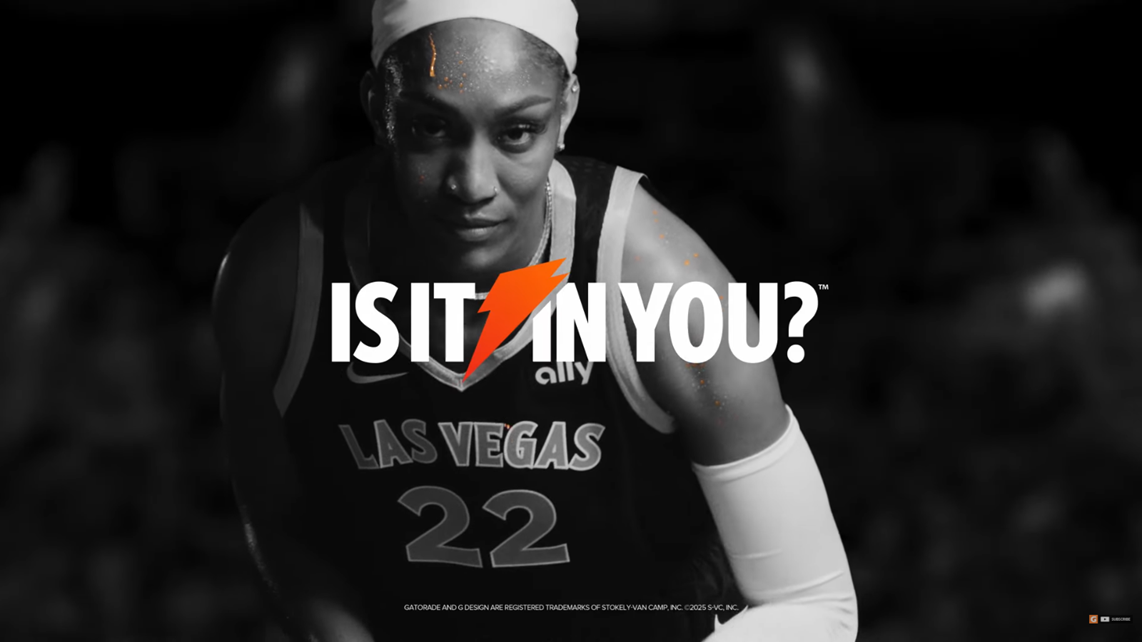 A screenshot from Gatorade's "Let Her Cook" spot to celebrate WNBA players. Watch the full video here.
Gatorade teamed up with the WNBA and launched a campaign called "Let Her Cook" around the 2025 WNBA All-Star moment. The slogan showed up in big places, like billboards at the event, plus campaign items such as towels and limited-edition bottles, and it also had a video spot.
On paper, the phrase "let her cook" can mean "let her show her talent". But the internet did what it does. Many people read it in a totally different way and joked that it sounded like "get back in the kitchen". Memes and sarcastic comments spread fast, and a campaign that was supposed to hype women athletes started getting mocked for a message it didn't mean to send.
How It Backfired and The Takeaway
This campaign backfired since it depended on slang knowledge. If you already know the phrase, you get it. If you don't, the "kitchen" meaning jumps out first, especially with women athletes involved. That gap split the audience, and the brand lost control of the story almost instantly.
It also shows how brand intent doesn't protect you. Even if the goal is empowering, the final message is whatever people hear and share. Once the joke version becomes viral, it's hard to pull attention back to the real purpose of the campaign.
For marketers and brands, you should:
- Check for double meanings: If a line can be read as sexist or insulting, pick a different line.
- Never rely on slang: Write for people who are not on the same corner of the internet as you.
- Test the slogan out loud: Say it to different age groups and see what they think it means.
- Keep the message self-contained: A billboard or short clip needs to make sense with zero context.
7. American Eagle's 'Great Jeans' Campaign
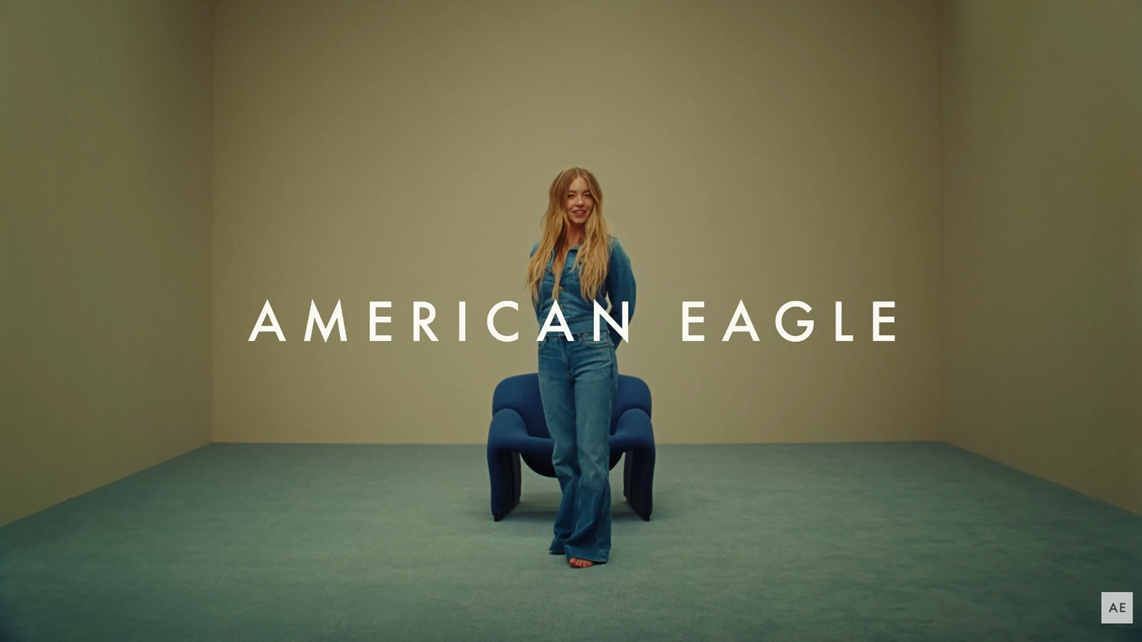 A screenshot from American Eagle's Sydney Sweeney spot where "great jeans" was mentioned. Watch the full commercial here.
American Eagle put actress Sydney Sweeney at the centre of its back-to-school denim push with the line "Sydney Sweeney has great jeans". The campaign leaned hard on the joke that "jeans" sounds like "genes", so the message played in two lanes at once: buy the denim, and notice the model.
One of the ads went further and talked about inherited traits, then landed on the punchline "My jeans are blue". That single creative choice changed the whole mood, because it moved from a harmless pun to language that some people connect with eugenics and racist "good genes" ideas.
American Eagle defended the work publicly, saying the campaign "is and always was about the jeans", while the debate kept growing. Some coverage also noted the company tied a limited-edition "Sydney Jean" to domestic violence awareness, which added another layer to how people judged the tone and intent.
How It Backfired and The Takeaway
It was a copy risk. A pun only works when the second meaning is safe, and "great genes" is not a safe phrase when you're already using a very specific beauty look to sell the idea. Once the public framed the story as "this sounds like eugenics", the product got pushed to the side and the argument became the main thing people shared.
This is what you called the trap of attention-first marketing. Yes, a campaign can get a huge reach while also upsetting people, but that kind of heat can stick to the brand and to anyone associated with it. In B2B terms, it's like winning clicks but losing trust, and trust is harder to rebuild than traffic.
For marketers and brands, you should:
- Treat wordplay like a risk area: If the pun touches identity, race, or genetics, don't ship it.
- Run a "headline test": Ask what the worst-faith headline could be, and see if your ad accidentally supports it.
- Keep the message on the product: If you sell jeans, show fit, comfort, and style alone.
- Separate serious causes with spicy copy: If you're tying a product to awareness work, keep the tone respectful and clear.
8. e.l.f. Cosmetics' Matt Rife Partnership
 A screenshot from e.l.f. Cosmetics' "Affordable Beauty Attorneys" parody, featuring Matt Rife and Heidi N Closet. Watch the full commercial here.
e.l.f. Cosmetics dropped a new comedy-style ad called "e.l.f.ino & Schmarnes", set up like a parody of those loud personal-injury lawyer commercials. In the spot, comedian Matt Rife plays one of the beauty attorneys next to drag performer Heidi N Closet, and the joke is that they're fighting "makeup markups" and calling out overpriced beauty.
The ad wasn't the problem by itself. The casting was. A lot of people were angry that e.l.f. chose Rife, because he has a public history of controversy, including a widely criticised domestic violence joke and a mocking apology that upset many viewers. For a brand that sells mainly to women and often talks about values, that choice felt like a punch in the gut to part of its own customer base.
e.l.f. then responded on social media, saying it missed the mark, explaining the campaign was meant to be humorous, and saying the ad would end that day, while the brand would keep pushing its "beauty justice" message.
How It Backfired and The Takeaway
As we know in the business and branding world, our spokesperson becomes our message. When the public already links a person to harmful jokes, the audience starts judging the brand's judgement, not the brand's product, which is exactly what happened here.
Trust can also drop when the audience feels unheard. e.l.f. said it was listening, but by the time the statement landed, the comments were already full of people saying they felt disappointed, and some creators said they were stepping back from the brand. For a consumer brand built on community, that kind of reaction is a big deal.
For marketers and brands, you should:
- Vet the face of the campaign: A funny script can't fix a controversial person once the internet connects the dots.
- Match the spokesperson to your buyers: If your customers are mainly women, don't hire someone known for mocking women's pain.
- Have a clear stop button: If things go bad, end the campaign quickly and say what changes next.
- Protect your community first: If loyal fans feel hurt, respond plainly, without excuses, and show you understand why.
9. Southwest's Baggage Fee Change
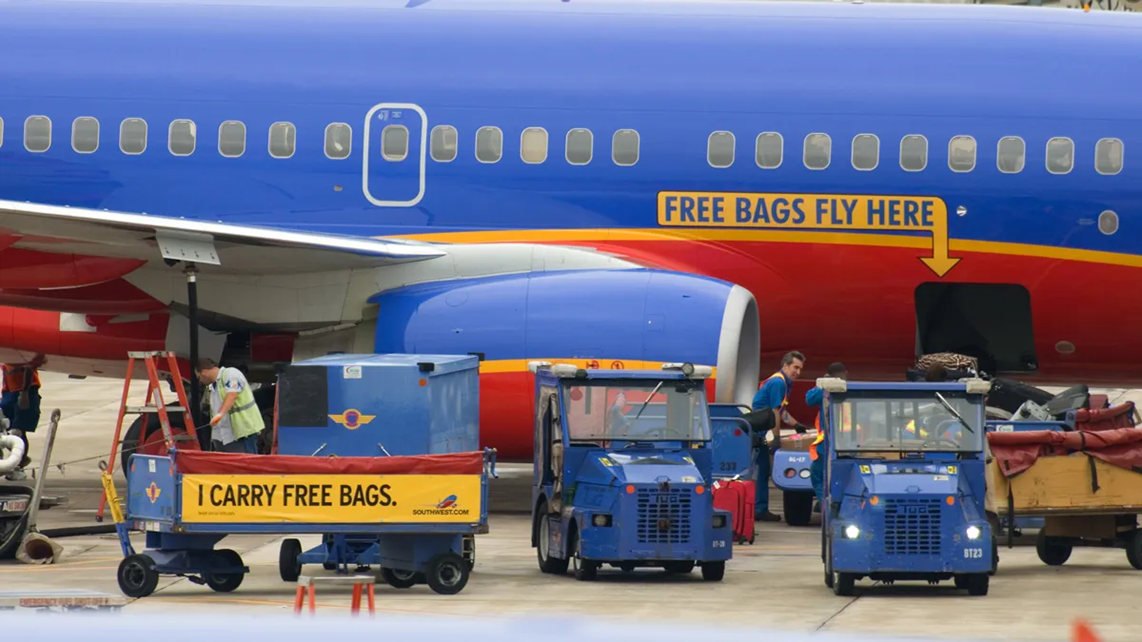 Southwest's "Bags Fly Free" promise now colliding with reality as the airline introduces checked‑baggage fees in 2025. Click here for the related news. Image credit: adweek.com
Southwest built a big part of its brand on a simple promise: "Bags fly free." In March 2025, the airline announced it would start charging for checked bags for many passengers for the first time in its long history, with the change applying to flights booked on or after 28 May 2025. Reports described it as the end of one of the last major "freebies" in US air travel.
Backlash was immediate because this wasn't just a price tweak. It hit a well-known slogan that customers could repeat from memory. Analysts warned the move could damage loyalty and make Southwest feel like just another airline, which is the exact opposite of what "Bags fly free" helped it stand for.
The message to the public came across as "We're taking away the thing you liked most," and that is always a hard sell.
How It Backfired and The Takeaway
"Bags fly free" wasn't only a marketing copy. It was a reason people chose Southwest without overthinking it. When you remove that, you don't just gain baggage-fee revenue. You also risk losing the easy mental reason that made people pick you in the first place.
People forgive a lot when a brand feels consistent, but they get angry when they feel tricked or blindsided. Some reports even pointed out that Southwest's CEO had said in the past that bags would keep flying free, which made the later shift feel like a broken promise to some customers.
For marketers and brands, you should:
- Fulfill the famous brand promise: If a slogan is your identity, changing it needs a very strong reason and a clear explanation.
- Explain who wins and who loses: Spell out exactly who still gets the benefit, and why, before people assume the worst.
- Pair a takeaway with a give-back: If you remove a perk, add a clear new benefit so people don't feel they only lost.
- Watch brand health after launch: Track sentiment and consideration quickly, because perception can drop faster than revenue rises.
10. Swatch's 'Slanted Eye' Ad
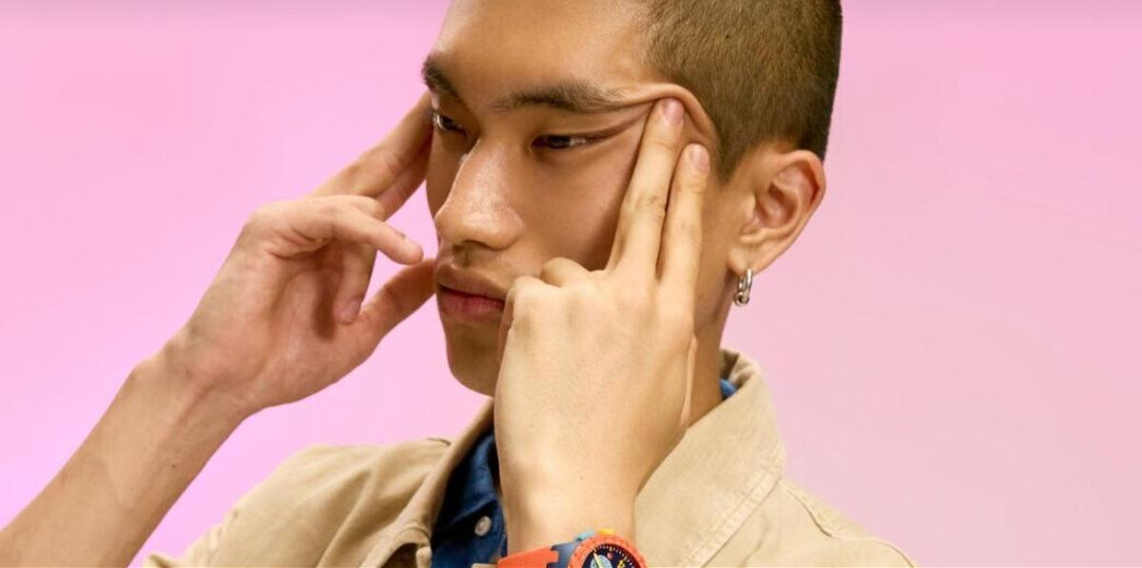 Swatch's pulled campaign featuring a model making a slanted eye gesture. Click here for the related news.
Swatch launched campaign images for its Swatch ESSENTIALS collection, and one of the visuals showed an Asian male model pulling the corners of his eyes up and back. That gesture is widely known as a racist taunt aimed at Asian people, so the image landed badly almost instantly.
In China, the ad set off a wave of angry comments and calls for a boycott on social media. People didn't read it as fun fashion photography. They read it as mockery, and they asked how a global brand could approve something with such an obvious harmful meaning.
Even after Swatch apologised and removed the materials worldwide, many users said the apology didn't feel strong enough, because some of Swatch's wording sounded like it was framing the problem as a misunderstanding rather than a mistake.
How It Backfired and The Takeaway
It used a gesture that already has a long history of racist bullying. When an audience sees that, they don't wait to hear your brand intent. They react to what they know, and they judge the brand for not knowing it too.
It's also a reminder that global campaigns need cultural checks, not just design checks. A photo that passes a creative director's eye can still fail a basic respect test in the real world. And once a brand has to pull content globally, the damage is bigger than one market because the removal itself becomes a news story.
For marketers and brands, you should:
- Ban racist gestures and cues outright: Create a clear "never use" list for poses, symbols, and stereotypes if needed by your brand.
- Add cultural review steps: Get local and diverse reviewers to check visuals before global launch.
- Never hide behind "misunderstanding": When you're wrong, say it plainly and take responsibility fast.
- Fix the process, not just the post: If something like this gets approved, change the checks so it can't happen again.
Smarter Campaigns After 2025
2025 showed how quickly a campaign can flip. A single line, image, or partner choice can change the story from smart marketing to brand drama. But the good news is that most of these issues were avoidable with better checks, clearer messaging, and faster, calmer responses.
So before you launch your next campaign, stress-test it with fresh eyes. Check the wording, the visuals, and the context in different markets. If anything feels risky, simplify it. Do this so you won't end up with the same marketing fails when the internet screenshots your message.
Want help with your marketing campaigns and efforts? Book a free consultation and get a quick review of your campaign idea, messaging, and rollout plan.
Got a question in mind? Check out the FAQs below for quick answers!
