
Building brand awareness feels like trying to be heard in a packed stadium. Everyone's shouting, but few voices stand out.
Most businesses pour money into flashy adverts and social media campaigns, hoping something sticks. Yet they end up frustrated when their brand gets lost in the daily flood of marketing messages that consumers scroll past.
Without a clear strategy, they waste resources on scattered efforts that yield minimal returns, leaving them wondering why their brilliant products or services remain hidden gems.
Let's explore why brand awareness matters and discover 10 tested ways to make your brand impossible to ignore, backed by authentic success stories from companies that have grasped the art of getting noticed.
These strategies have helped countless businesses transform from unknown entities into memorable brands that customers actively seek out.
Key Takeaways
- Brand awareness builds emotional connections, turning casual observers into loyal customers while reducing long-term marketing costs.
- Collaborate with complementary brands — like Nike and Apple's partnership — to expand your reach and tap into new audiences.
- Leverage referral programmes to turn satisfied customers into brand advocates, as Dropbox did to grow from 100,000 to 4 million users.
- Boost visibility through guest blogging, creating infographics, and offering free services, such as Canva's freemium model.
- Use influencer marketing strategically; Daniel Wellington grew exponentially by collaborating with micro-influencers.
- Build active online communities to foster genuine relationships and encourage organic brand advocacy, like LinkedIn with its Groups feature.
- Create compelling content headlines and test variations to maximise engagement, following BuzzFeed's successful approach.
- Optimise email signatures with clear CTAs to increase clicks and generate leads effortlessly.
- Develop free tools that solve real problems; HubSpot's Website Grader is a prime example of this strategy's success.
Why Brand Awareness Matters Today
 Source: @gettyimages via canva.com
Strong brand awareness transforms casual observers into loyal customers who actively choose your products over competitors. When people recognise and trust your brand, they're more likely to make repeat purchases and recommend you to others, creating a natural growth cycle for your business.
Brand awareness goes beyond simple recognition. It builds emotional connections that influence purchasing decisions.
Companies with strong brand presence enjoy lower marketing costs over time because their reputation does much of the heavy lifting. This natural advantage helps businesses maintain steady growth while spending less on customer acquisition.
Ready to elevate your brand's visibility? The following strategies have proven successful for businesses across industries, helping them stand out in their markets and create lasting impressions that drive sustainable growth.
Let's explore these practical approaches that can transform your brand from unknown to unforgettable!
1. Brand Partnerships
Working with other companies is one of the most effective ways to boost brand awareness. When you join forces with businesses that share your values but aren't direct competitors, you tap into their established customer base.
Many businesses already include this in their brand strategy, as it helps not only them but also both parties involved grow their reach while building trust with new audiences. The key is finding partners whose products or services complement yours, creating a win-win situation for everyone involved.
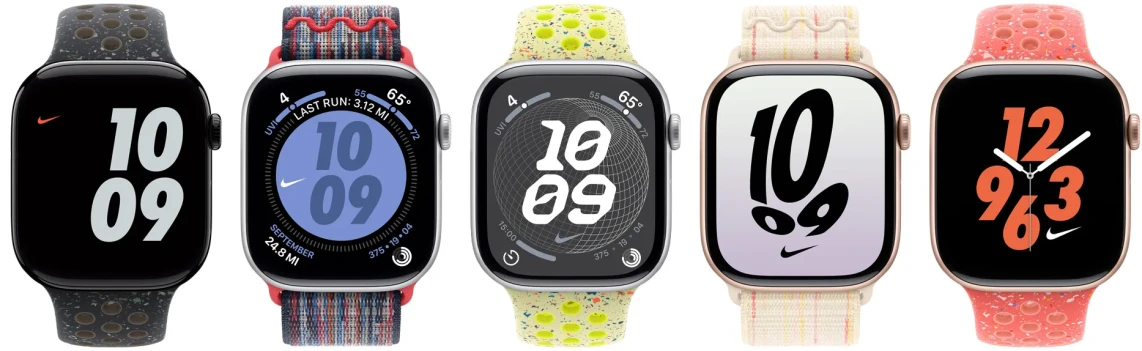 Image source: apple.com
Nike and Apple's partnership is a brilliant example of brand exposure done right. Their Nike+ collaboration merged Apple's tech expertise with Nike's sporting goods, creating a watch and running app that tracks performance. This partnership helped both brands reach fitness enthusiasts who use technology to improve their workouts, showing how two giants can work together to get their brands noticed in new markets.
By choosing the right partner, you can double your marketing power without doubling your budget. Check those brands that share your values and target audience but offer different products or services.
2. Customer Referral Programme
A well-designed referral system is a powerful brand awareness tool that turns satisfied customers into brand champions.
When you make it easy for people to share their positive experiences, you're essentially creating a network of trusted advocates who help grow your brand through personal recommendations.
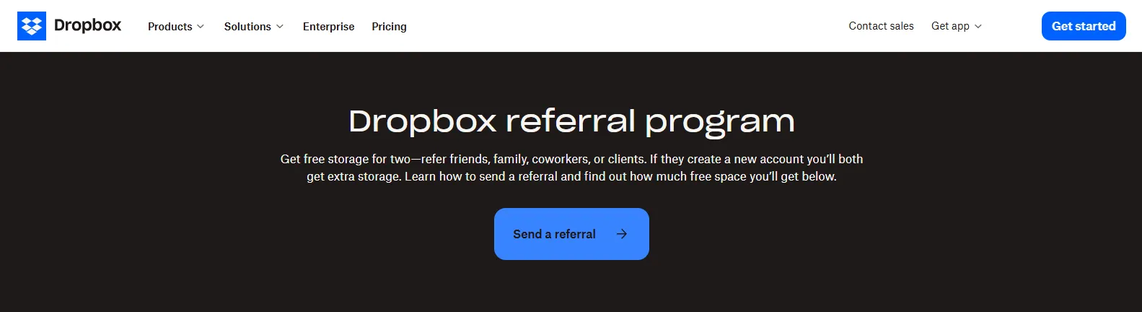 Image source: dropbox.com
Dropbox's referral programme is an example of success in brand marketing. They offered extra storage space to the referrer and the friend they invited. This simple yet effective approach helped them grow from 100,000 to 4 million users in only 15 months, showing how powerful word-of-mouth can be for brand exposure.
When you reward both the referrer and the new customer, you promote customer success and keep your brand awareness campaign moving forward naturally. That said, make sure your rewards are meaningful and easy to claim.
3. Guest Blogging
Guest blogging is a clever way to boost brand awareness by sharing your knowledge on other websites. This approach helps you reach new readers who might not have found you otherwise.
When you create helpful, engaging content for different sites in your field, you're totally showing that you really know your stuff. It's like being a guest speaker at someone else's party, where you get to share your expertise with a whole new crowd.
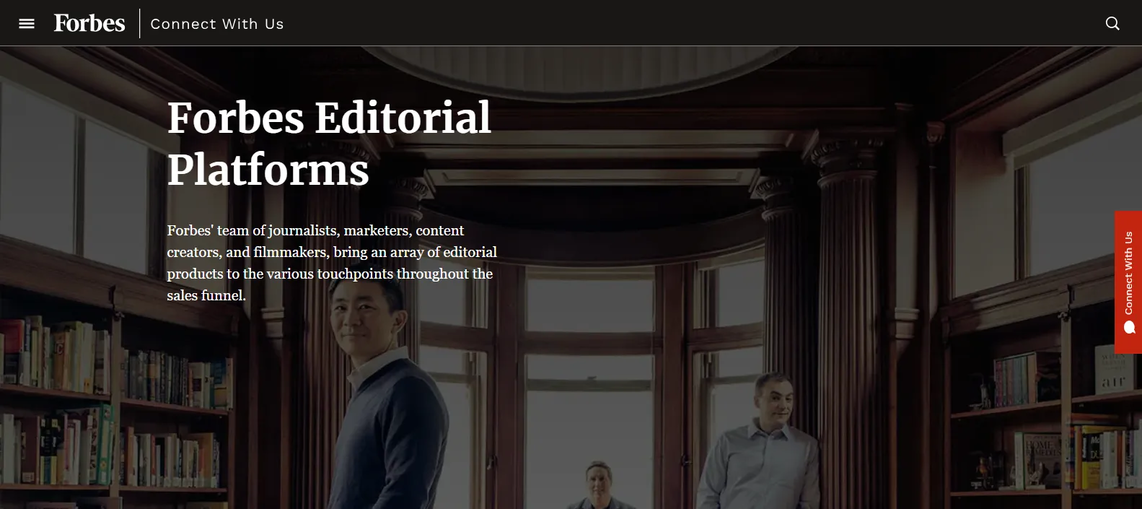 Image source: forbes.com
The Forbes contributor programme shows how powerful guest blogging can be for brand exposure. Contributors who regularly write quality articles gain significant visibility and establish themselves as industry experts.
 Picture of Neil Patel. Image source: npdigital.com
For instance, Neil Patel built his brand awareness through consistent guest posting on major marketing websites before becoming a recognised marketing authority.
The secret to successful guest blogging is to focus on helping readers solve real problems rather than just promoting your brand. When you provide genuine value, readers naturally become curious about who you are and what else you offer.
4. Eye-Catching Infographics
Visual content, especially infographics, can make complex information easy to understand and share, which is brilliant for brand awareness.
When you create informative infographics that solve problems or explain complex concepts, people are significantly more likely to share them.
Infographics are 30x more likely to be read compared to a written article and can even increase website traffic by up to 12% which demonstrates their power as an inbound marketing tool to engage audiences.
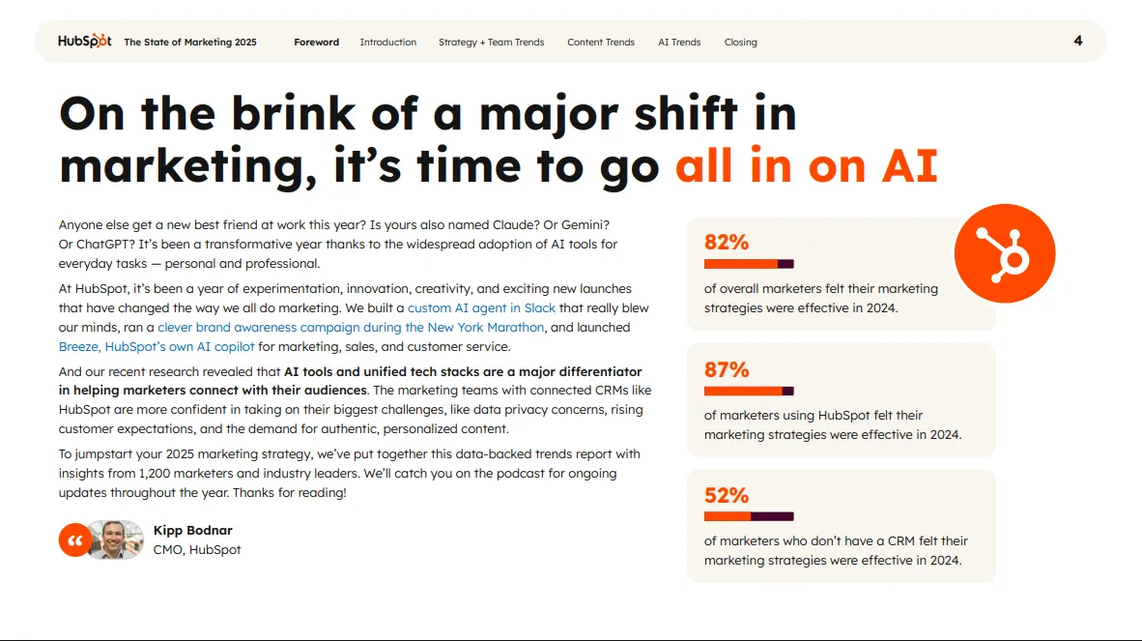 Page 4 of 2025 State of Marketing from HubSpot. Image source: hubspot.com
Hubspot's marketing statistics infographic is a prime example of brand awareness done right. Their yearly marketing statistics infographic has become a go-to resource for marketers worldwide, helping them strengthen their position as a leading marketing education platform.
Remember to keep your infographics simple, helpful, and branded with your company's colours and logo. When people find your visual content useful, they're more likely to remember and trust your brand.
5. Optimised Free Offerings
Smart brand awareness means making the most of everything you give away. When you offer free products or services, it's a perfect chance to spread your brand message.
This isn't just about being generous or making it part of your demand generation, it's about creating valuable touchpoints that help people remember you. The key here is to ensure these free offerings solve real problems while subtly showcasing what makes your brand special.
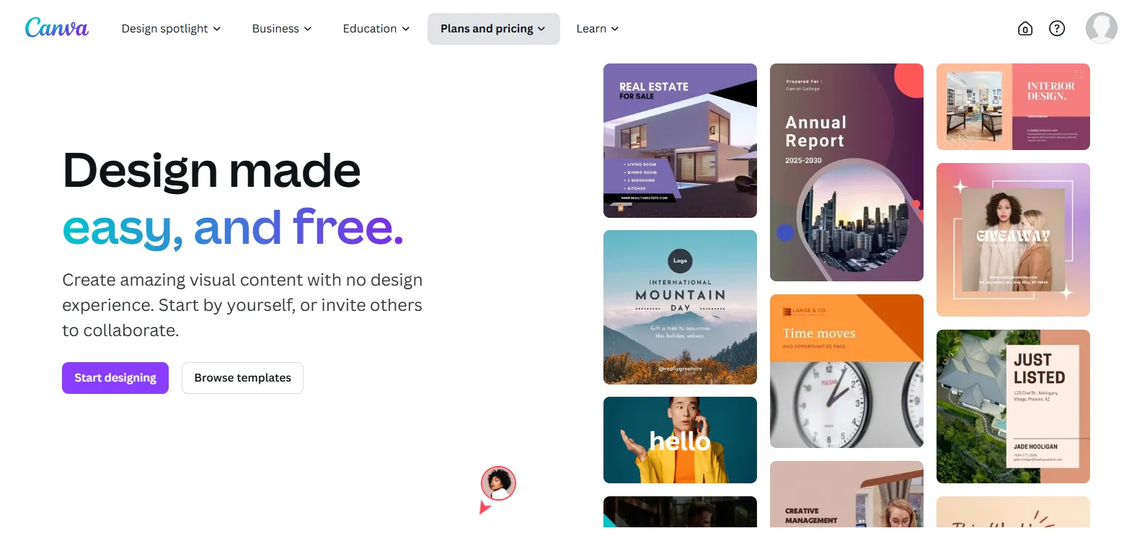 Image source: canva.com
Canva's freemium model is a prime example of how offering free app versions can drive massive growth. Based on statistics, Canva has grown from 60 million users in 2021 to an impressive 180 million users worldwide in 2024, with over 16 million paying subscribers. Canva also generated $2 billion in annual revenue and becomes a household name in the industry.
When planning your free offerings, consider what will genuinely help your target audience. This approach works best when you balance generosity with strategic thinking, ensuring each free item helps grow your brand naturally.
6. Connect with Industry Influencers
Building brand awareness through influencer relationships is about creating genuine connections, not just paying for mentions.
This form of brand marketing works because influencers have already earned their followers' trust. By offering your products or services to respected voices in your field, you can get your brand noticed by people who are most likely to be interested in what you offer.
 An Instagram post of Pavail Gulati. Image source: instagram.com
Daniel Wellington is a brilliant example of this one. The brand started by sending free watches to small influencers, asking them to create authentic content and use the hashtag #danielwellington. This cost-effective strategy helped the company grow from a modest $20,000 investment to generating $228 million in revenue within just three years, selling over 1 million watches and becoming a household name.
If you want this strategy, you should focus on finding influencers whose followers match your target audience. Smaller influencers with engaged followers often provide better results for brand awareness than celebrities with millions of passive followers.
7. Active Online Community
Creating a digital space where your customers can connect isn't just about having followers, but more on fostering genuine relationships that boost brand awareness.
You're building something special when you allow people to create profiles and chat with others who love your brand. This approach helps turn casual buyers into passionate supporters who naturally spread the word about your brand.
LinkedIn's Groups feature shows how powerful community building can be for brand exposure. Their professional communities have become go-to spaces for industry discussions, with members actively sharing knowledge and building connections. This has helped LinkedIn become the world's largest professional network, with over 900 million members who regularly engage with and share content.
Remember, a thriving community needs regular attention to grow your brand naturally. Focus on creating valuable discussions, responding to members, and letting conversations flow naturally rather than pushing sales messages.
8. Perfect Content Headlines
Getting your brand noticed starts with headlines that make people want to read more.
The key here is to write several versions of your headlines and test which ones work best. When you create 15-20 different options and test the top performers, you can discover exactly what makes your audience click and engage with your brand awareness campaigns.
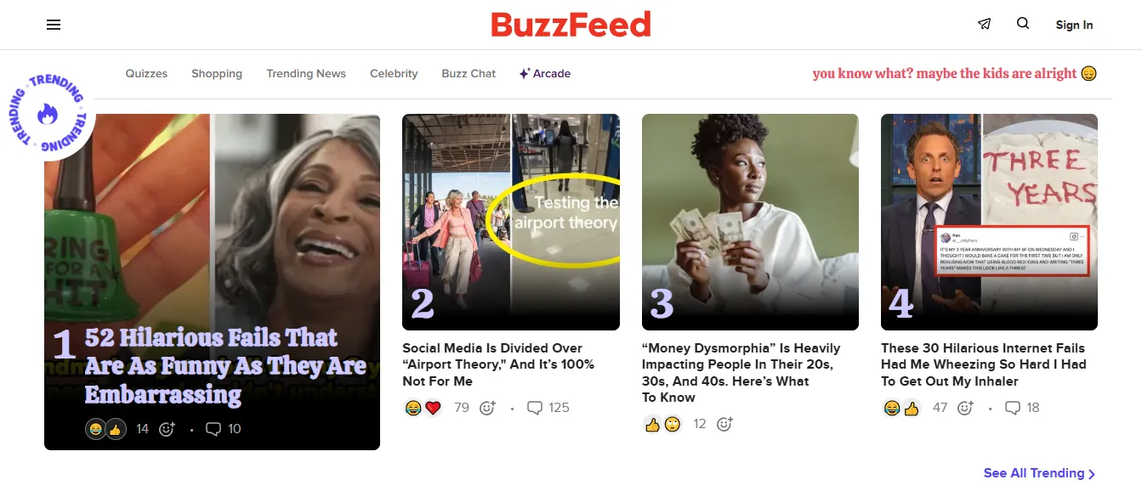 Image source: buzzfeed.com
BuzzFeed's headline strategy demonstrates this perfectly in digital marketing. They regularly test multiple headline variations for each article, which has helped them grow to over 130 million monthly readers. Their approach to testing headlines has become a model for their brand to get noticed through compelling content titles.
Test different approaches, but always keep your brand's voice consistent and authentic.
9. Powerful Email Signature
Your email signature is more than just contact details. It's a chance to boost brand awareness with every message you send.
This often-overlooked part can be a powerful tool for brand exposure when you add a compelling message or offer. The key is to keep it brief while making it interesting enough that recipients want to learn more about your brand.
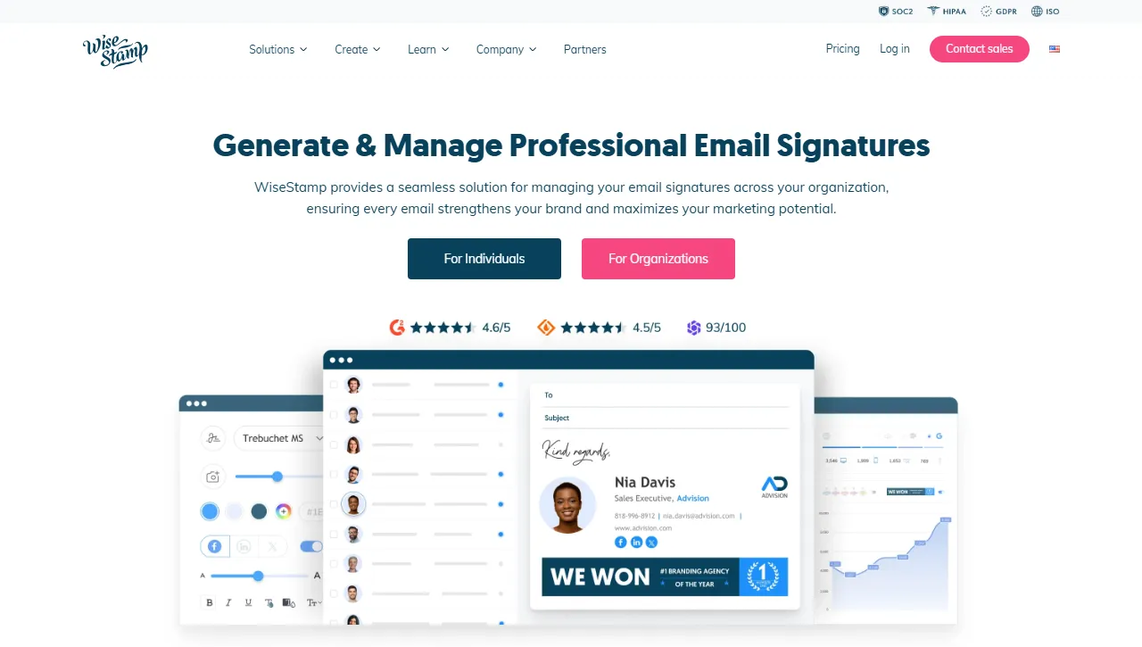 Image source: wisestamp.com
WiseStamp illustrates how effective email signatures can be for brand marketing. According to their research, branded company email signatures can increase email link clicks by up to 22% and generate 15% more leads. Their platform supports this by helping businesses turn everyday email interactions into opportunities for branding, sales, and marketing.
Make your email signature work harder for brand awareness by including a clear call-to-action and keeping the design clean and professional. This simple change can help grow your brand with minimal effort.
10. Create Useful Free Tools
Developing free tools that solve common problems is a clever way to boost brand awareness.
When you offer something genuinely helpful at no cost, people naturally share it with others who might need it. This approach works because it shows rather than tells people what your brand can do, making it a powerful way to grow your brand naturally.
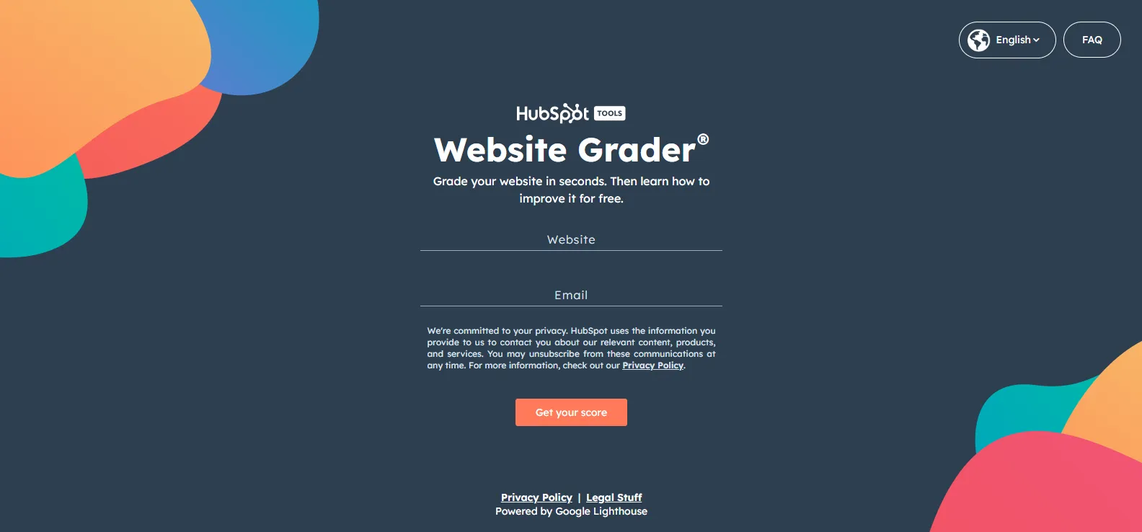 Image source: website.grader.com
HubSpot's Website Grader is a brilliant example here. This tool has analysed millions of websites and helped HubSpot become a trusted name. By offering genuine value without asking for anything in return, they've built massive brand exposure and established themselves as industry leaders.
When creating free tools for brand awareness, focus on solving real concerns your target audience faces. The more beneficial your tool is, the more likely it will be shared, helping your brand awareness grow organically.
Your Next Steps to Stand Out
Growing your brand doesn't need a massive budget or groundbreaking ideas. These ten methods show that smart brand awareness comes from mixing proven strategies with genuine connections.
From crafting perfect email signatures to building active communities, each step helps your brand stand out in today's busy digital world. The best tip is to start small, stay consistent, and focus on what truly matters — helping your audience solve real problems.
Ready to transform your brand's visibility? Book a free consultation with our team of marketing experts, who have helped a lot of brands to find their right audience through tailored campaigns.
Got a question in mind? Check out the FAQs below for quick answers!
