

Ever noticed how sales blames marketing for poor leads while marketing complains about sales not following up properly? This age-old office drama needs to stop.
This isn't just causing workplace tension — it's costing your business real opportunities.
While your teams play the blame game, potential customers slip through the cracks, competitors snap up market share, and your growth stagnates. Meanwhile, your talented professionals waste time pointing fingers instead of closing deals.
Let me tell you a secret: smarketing, the modern sales and marketing alignment approach that transforms competing departments into a unified revenue-generating powerhouse.
Let's explore how your business can bridge this gap and turn conflict into a collaboration.
Key Takeaways
- Smarketing is the strategic alignment of sales and marketing departments, introduced in the early 2000s to create a unified revenue-generating approach.
- Companies implementing successful smarketing strategies see up to 208% more revenue growth, 36% higher customer retention, and 38% higher sales win rates.
- Marketing's role focuses on lead qualification, digital content creation, and data analysis, improving sales efficiency by 67% through collaborative messaging.
- Sales teams contribute through direct customer feedback, field insights, and performance metrics, creating a vital information loop that enhances marketing effectiveness.
- Common challenges include data integration issues, team culture differences, performance measurement gaps, technology adoption resistance, and customer journey mapping problems.
- Success requires regular meetings, shared goals, open communication, coordinated content campaigns, positive inter-departmental relationships, and a unified technology platform.
What Is Smarketing?
Smarketing is the fusion of the words 'sales' and 'marketing' and literally the union of these two departments.
This modern strategy breaks down the traditional barriers between these departments, creating a harmonious workflow that directly impacts revenue growth. When sales and marketing alignment is achieved, both teams share common goals, metrics, and customer insights, leading to more effective sales enablement and demand generation.
The word 'smarketing' was first heard in the early 2000s. It started when digital transformation began reshaping business operations. As customer journeys became more complex, companies realised that the traditional separation between marketing and sales teams could have been more productive.
This shift in thinking has led to the development of integrated platforms and processes that support both teams in their shared mission to drive business and customer success.
Can Marketing and Sales Really Be United?
The age-old belief that sales and marketing alignment is impossible has been proven wrong by modern business data.
Companies that successfully implement smarketing see remarkable results, with businesses achieving up to 208% more revenue growth from their marketing efforts when both teams work as one.
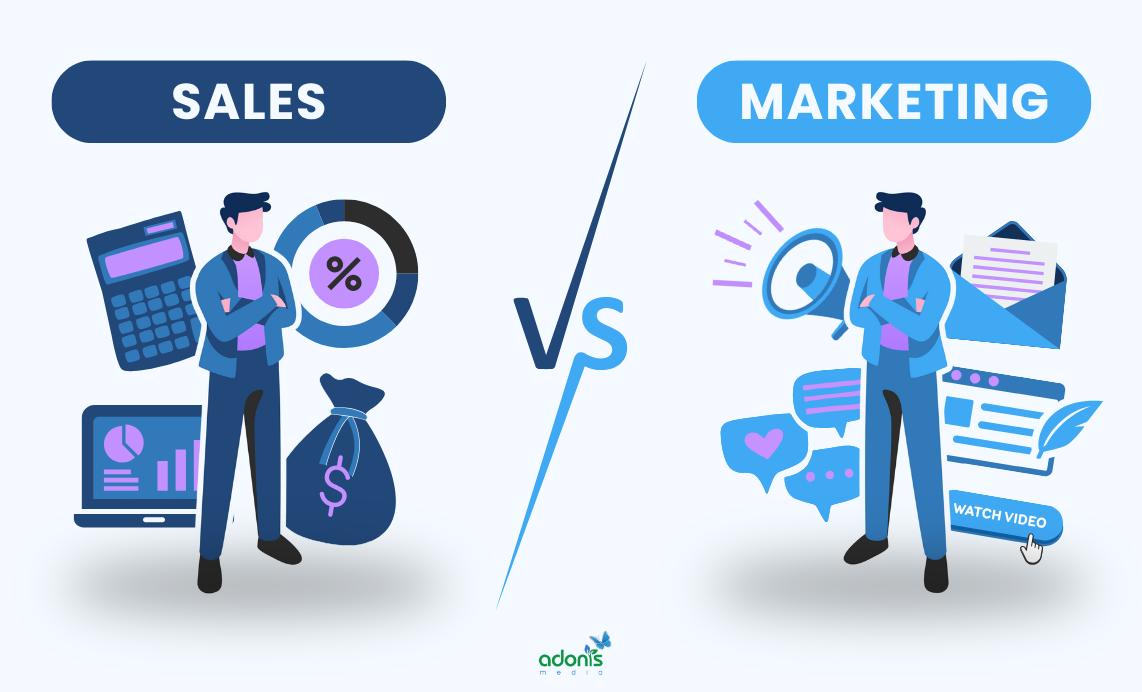
The myth of inevitable conflict between these departments stems from outdated organisational structures that no longer serve today's integrated customer journey.
Companies that excel through this approach experience 36% higher customer retention and 38% higher sales win rates, which makes smarketing a key not only to revenue growth but also to nurturing leads and retaining current customers.
The key to feel the smarketing benefits lies in creating unified systems and processes that allow both teams to share insights, goals, and customer data seamlessly through modern platforms and regular communication. This emphasis on practicality should reassure you about the feasibility of smarketing for your business.
Marketing's Role in Smarketing Success
The marketing strategy in a smarketing environment goes beyond traditional lead generation. When properly executed, marketing becomes the foundation that empowers the entire sales process, creating a seamless journey from initial customer awareness to final purchase decisions.
This integrated approach helps teams achieve better sales efficiency through strategic lead qualification and data-driven insights.
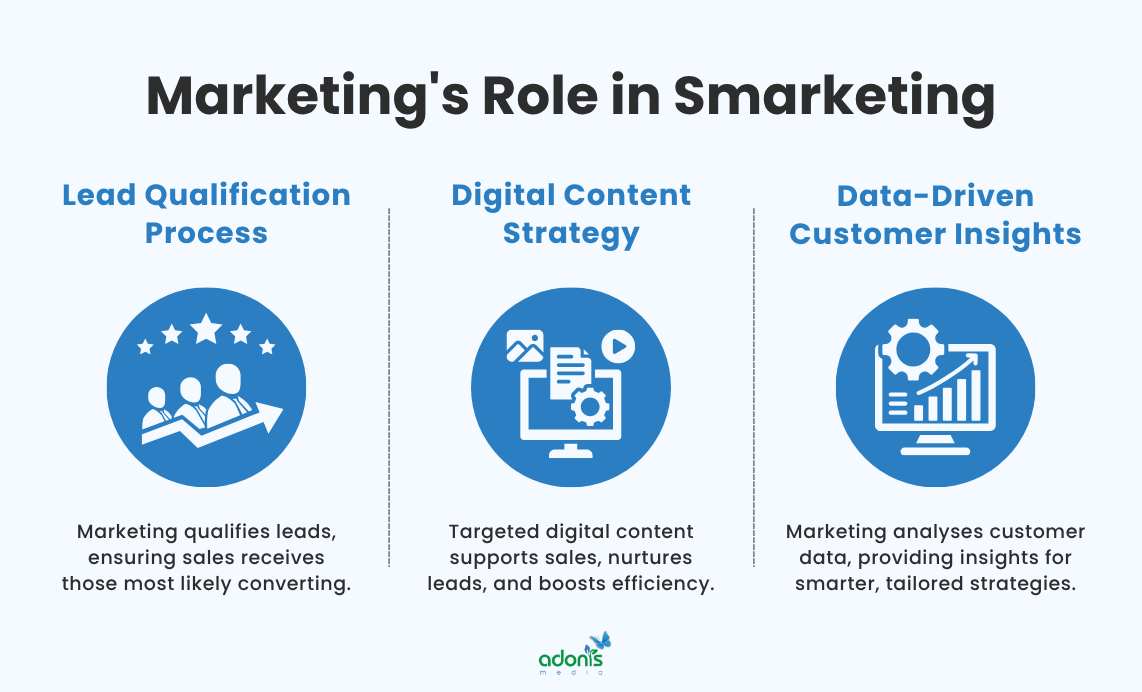
Lead Qualification Process
In the smarketing framework, marketing teams excel at qualifying leads before they reach the sales department.
Through sophisticated lead scoring and behaviour tracking, the marketing team identifies prospects' readiness to purchase, their specific interests, and potential pain points. This ensures that sales teams receive high-quality leads who are genuinely interested in the product or service, resulting in higher conversion rates and improved revenue growth.
Digital Content Strategy
The marketing strategy in a smarketing framework extends to creating valuable digital assets that support the entire sales process.
By developing targeted content that addresses specific customer pain points and buying stages, marketing teams provide sales with powerful tools to nurture relationships. This strategic approach to content creation can improve sales efficiency by 67% when both teams collaborate on messaging and delivery timing.
Data-Driven Customer Insights
The marketing team's role in smarketing involves gathering and analysing customer behaviour data to provide actionable insights.
Through sophisticated tracking and analysis, marketing teams identify patterns in customer engagement. This data-driven approach enables both departments to understand customer preferences better, with studies showing that companies leveraging customer analytics experience a 15-20% increase in revenue and a 10-20% boost in customer satisfaction.
Sales' Role in Smarketing Success
In successful smarketing environments, sales teams play a crucial role beyond closing deals. Their direct customer interaction provides invaluable insights that shape the entire customer journey and strengthen team collaboration.
When sales teams actively participate in the smarketing process, companies experience a more cohesive approach to customer engagement and improved revenue growth.
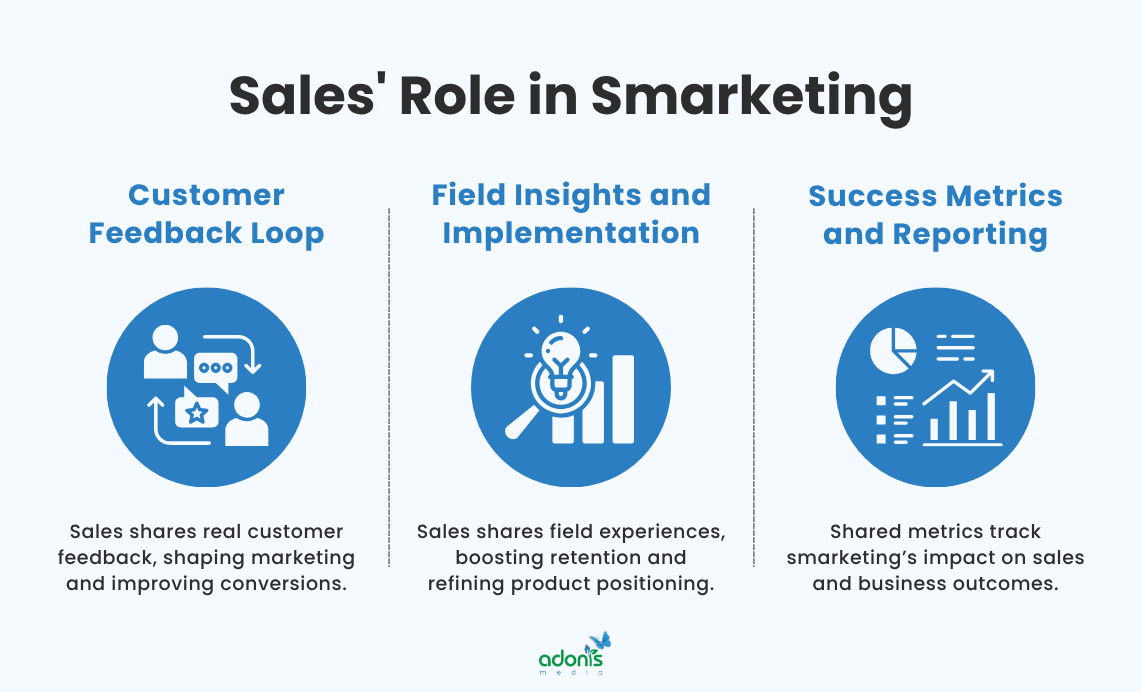
Customer Feedback Loop
The sales team's direct customer interactions create a vital feedback system within the smarketing framework.
By documenting customer objections, frequently asked questions, and purchase decision factors, sales professionals provide essential data that shape the marketing strategy. This real-time feedback helps refine messaging, improve lead qualification processes, and create more targeted content, leading to various benefits for business outcomes and higher conversion rates.
Field Insights and Implementation
Sales in a smarketing environment improves significantly when sales teams share their hands-on customer experiences.
Through direct field interactions, sales professionals gather unique insights about how customers use products and services, helping shape the marketing strategy. This practical knowledge has shown that companies implementing shared field insights as part of their smarketing approach see a 36% boost in customer retention rates and more accurate product positioning.
Success Metrics and Reporting
The sales efficiency metrics gathered through smarketing provide comprehensive performance insights that benefit both departments.
Sales teams track detailed conversion metrics, deal closure rates, and customer lifetime value data to demonstrate the smarketing effect on business outcomes. Many companies already show that leveraging shared performance metrics and collaborative tools see improvements in win rates and faster deal closure times compared to teams working in isolation.
Common Smarketing Challenges
Despite the clear benefits of smarketing, many companies face significant hurdles when trying to achieve actual sales and marketing alignment.
Understanding these challenges is crucial for developing practical solutions that lead to better team collaboration and increased revenue growth. Here's a detailed look at the most common obstacles businesses encounter.
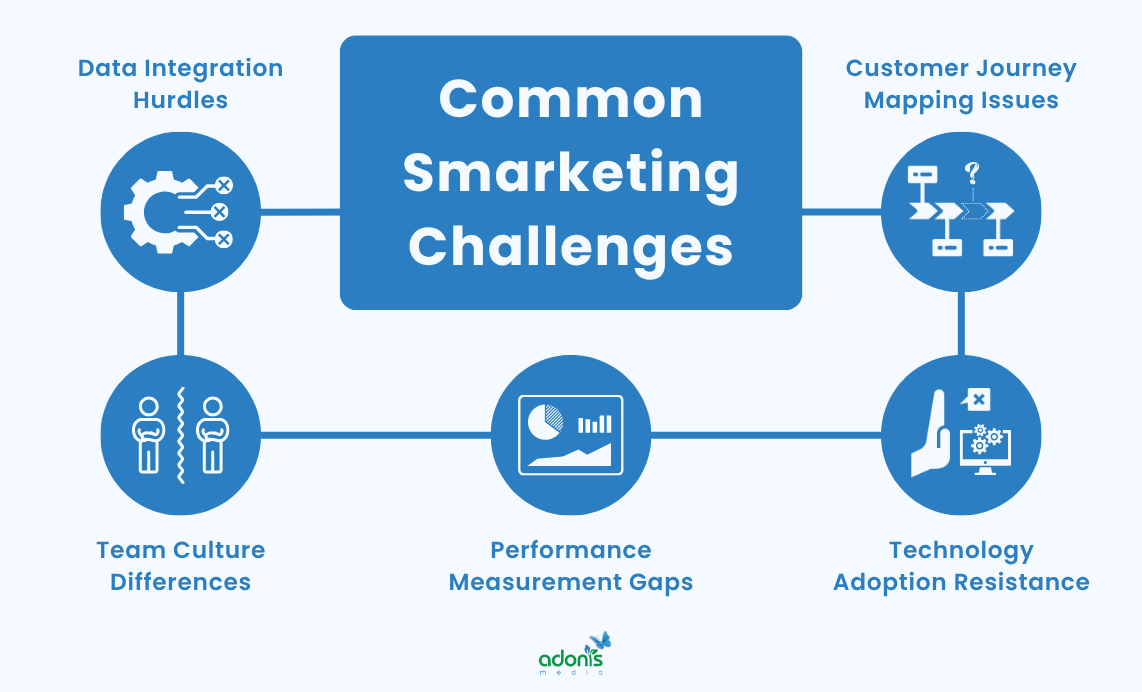
Data Integration Hurdles
The challenge of integrating data systems between sales and marketing teams often creates significant barriers in implementing smarketing strategy. When teams use different platforms or metrics to track success, creating a unified view of the customer journey and measuring sales efficiency becomes difficult.
For instance, a software company struggled when its marketing team used HubSpot for lead tracking while the sales team relied on Salesforce. This disconnect meant:
- Marketing couldn't see which leads converted to sales
- Sales couldn't access valuable lead nurturing history
- Customer interaction data was fragmented
- ROI calculations became complicated and inaccurate
Team Culture Differences
The distinct cultural mindsets between marketing and sales teams can significantly impact your business. These differences often stem from varying approaches to customer engagement and success metrics, creating friction in daily operations and strategic planning.
For instance, a retail chain experienced this when implementing its smarketing initiative. Their situation revealed:
- Marketing focused on long-term brand building and customer engagement
- Sales prioritised immediate results and quarterly targets
- Different vocabulary and metrics for success
- Conflicting approaches to customer communication styles
Performance Measurement Gaps
The challenge of measuring success in a smarketing environment often stems from misaligned performance metrics between departments. When teams measure success differently, it becomes difficult to see the actual results and overall revenue growth.
For instance, a technology firm encountered this challenge when:
- Marketing measured success through website traffic and lead generation
- Sales focused solely on closed deals and revenue
- Neither team could effectively track the customer's entire journey
- Monthly reporting showed conflicting success stories, making it challenging to justify marketing strategy investments
Technology Adoption Resistance
Implementing new sales and marketing alignment tools often faces resistance from team members accustomed to their existing systems. This resistance can significantly impact team collaboration and slow down the implementation of the smarketing strategy process.
For instance, a manufacturing company experienced this when:
- Veteran sales staff refused to use the new CRM system
- Marketing team struggled with learning new analytics tools
- Integration between legacy and new systems created data gaps
- Training sessions had low attendance and engagement rates
Customer Journey Mapping Issues
The disconnect in understanding the customer journey creates significant challenges in implementing smarketing. When teams have different views of how customers move through the buying process, it affects the overall sales efficiency and customer experience.
For instance, a healthcare technology company faced this challenge when:
- Marketing tracked digital touchpoints and content engagement
- Sales focused on in-person meetings and demo requests
- Customer feedback showed inconsistent messaging across channels
- Lead handoff timing became problematic due to different journey interpretations
Smarketing Best Practices
Successful smarketing implementation requires structured approaches and consistent effort from both departments. Companies that excel at sales and marketing alignment follow specific practices that foster genuine team collaboration and drive revenue growth.
These proven methods help break down departmental silos and create a unified customer-focused approach.
Schedule Regular Meetings
Regular meetings form the backbone of effective smarketing practices, serving as the primary channel for sharing insights and maintaining alignment between teams. These help teams focus on shared goals while ensuring everyone understands their role in the customer journey.
Key actions for successful meeting implementation:
- Schedule weekly sync-ups at consistent times
- Create focused agendas that cover both departments' priorities
- Assign rotating meeting facilitators from both teams
- Document decisions and action items in a shared platform
- Include both remote and in-office team members
- Set up smaller daily stand-ups for urgent matters
When teams commit to regular meetings, they experience improved sales efficiency, better lead handoff processes, and clearer communication channels. The continuous dialogue helps teams spot potential issues early and adjust their marketing strategy before problems escalate.
Develop Shared Goals and KPIs
Setting unified objectives is crucial for successful smarketing implementation. When both departments share common targets, they naturally align their efforts towards achieving the same outcomes.
Key actions for establishing shared goals:
- Create revenue targets that both teams are responsible for
- Develop shared customer satisfaction metrics
- Set up joint lead qualification criteria
- Establish common reporting dashboards
- Create unified customer journey milestones
- Design shared content performance metrics
A unified approach to goal-setting creates accountability, reduces departmental friction, and helps teams focus on what truly matters, which are the customer success and revenue growth. This shared responsibility leads to more strategic marketing decisions and better resource allocation.
Keep Communication Between Teams Open
Effective communication channels are vital for successfully implementing smarketing strategy. Open dialogue between departments ensures that both teams stay aligned with customer needs while maintaining consistent sales efficiency throughout the buyer's journey.
Key actions for maintaining open communication:
- Create shared communication channels in platforms like Slack or Teams
- Implement a centralised knowledge base for both departments
- Set up automated notifications for important updates
- Create cross-departmental project groups
- Establish clear escalation paths for urgent matters
- Document all customer interactions in a shared system
When teams maintain open communication channels, the smarketing benefits become evident through improved lead handling and customer satisfaction. This transparent approach to information sharing strengthens the marketing strategy implementation and helps both teams respond more quickly to market changes and customer needs.
Coordinate Content Campaigns
Content coordination is vital to successful smarketing initiatives, which directly impact sales efficiency. When both departments align their content strategy, they create a more cohesive customer experience throughout the buying journey.
Key actions for effective content coordination:
- Hold joint content brainstorming sessions
- Create shared content calendars
- Develop sales enablement materials together
- Set up content performance tracking systems
- Plan content distribution strategies jointly
- Review and update existing content regularly
The impact of coordinated content through smarketing shows better lead quality and increased engagement rates. When sales and marketing teams collaborate for this, they create more relevant materials that address specific customer needs at each stage of the buyer's journey.
Encourage Friendliness Between Departments
Building positive relationships between departments is crucial for successful smarketing implementation. When teams develop genuine connections, they naturally improve team collaboration and create a more unified approach to achieving business goals.
Key actions for fostering team relationships:
- Organise cross-departmental social events
- Create mentorship programs between departments
- Set up informal coffee chats between team leaders
- Establish shared spaces for breaks and casual interactions
- Create mixed-team project groups
- Plan quarterly team-building activities
Teams that enjoy working together show better sales efficiency and naturally share insights that help improve the overall marketing strategy. This positive environment leads to more innovative solutions and better customer experiences.
Have One Platform for Both Departments
A unified technology platform is essential for successful smarketing implementation. Using a single system helps streamline team collaboration and ensures both departments access the same customer data and insights.
Key actions for implementing a unified platform:
- Select a platform that serves both departments' needs
- Create standardised data entry protocols
- Set up shared dashboards and reporting systems
- Establish clear user permissions and access levels
- Create unified customer tracking processes
- Implement automated workflow systems
A unified system ensures that both sales and marketing teams can track the complete customer journey, leading to better sales efficiency and more accurate revenue growth forecasting. This creates a single source of truth that helps them make data-driven decisions.
Further Learning
Looking to learn more? I've collected some fantastic resources that go hand-in-hand with this topic if you want to dive deeper.
- hubspot.com — The Power of Smarketing: Chapter 1 Introduction
- asana.com — Organizational silos: 4 common issues and how to prevent them
- zapier.com — 6 ways to break down organizational silos
- helpjuice.com — 6 Customer Retention Strategies to Keep Customers Coming Back For More
- improvado.io — Sales and Marketing Alignment: A Path to 208% Revenue Growth
- pipeline.zoominfo.com — 20 Sales and Marketing Alignment Statistics
- avidlyagency.com — 10 Ways to Create an Effective Lead Qualification Process
- quora.com — Quora Discussion: "Why are sales and marketing teams not easily aligned?"
- reddit.com — Reddit r/b2bmarketing Thread: "Aligning sales + marketing through meetings"
- reddit.com — Reddit r/sales Thread: "Are "sales" and "marketing" teams from totally different planets?"
Driving Collaboration for Business Success
Successful smarketing is always about creating a unified force that drives your business forward. When sales and marketing alignment works, your teams stop playing the blame game and start celebrating shared victories, leading to increased revenue and market dominance.
Through proper team collaboration, clear communication, and shared goals, your business can transform internal conflicts into powerful customer experiences that boost revenue growth.
Ready to transform your sales and marketing teams into a unified smarketing powerhouse? Don't hesitate and book your free consultation today and discover how we can help you create the perfect blend of your marketing and sales teams.
Got a question in mind? Check out the FAQs below for quick answers!
